

Focus Intervals Logo Focus Intervals
Productivity Tips

Why Your Break Schedule Matters More Than You Think

Discover how strategic breaks between work blocks actually increase focus and prevent the afternoon energy crash that kills productivity.

Person taking a break with water bottle and phone, stepping away from desk during rest interval
Marcus Lim

Marcus Lim

Senior Productivity Strategist

Marcus Lim is a Senior Productivity Strategist at Focus Intervals Ltd who’s helped 800+ Singapore freelancers master timeboxing and Pomodoro techniques over his 12-year career.

You’re probably thinking: breaks slow me down. But here’s the thing — they actually speed you up. That afternoon slump where you’re staring at your screen accomplishing nothing? It’s not laziness. It’s your brain telling you it needs oxygen and movement.

When you’re working on focused 25-minute intervals, your breaks aren’t just downtime. They’re the difference between crushing your targets and limping through the day. We’re not talking about scrolling Instagram for 20 minutes. Strategic breaks — real ones — are what separate freelancers who actually ship work from those who look busy but accomplish nothing.

Here’s what most people miss: your brain can only maintain deep focus for so long. After about 25 minutes of real concentration, your cognitive function starts dropping. Your reaction time slows. Decisions get worse. Mistakes pile up. A proper 5-minute break resets that. You’re not being lazy. You’re being smart.


Person standing and stretching at desk near window, taking an active break during work session

The Energy Dip Pattern (And Why It Happens)

Around 2:30 PM, something clicks off. Your eyelids get heavy. Words blur together. You’ve been “working” for 6 hours but you’re not actually producing anything. This isn’t a personal failing — it’s biology.

Your glucose levels drop. Your dopamine needs a reset. Your eyes are tired from screen time. You’re dehydrated because you’ve been focused on work instead of sipping water. All of this compounds. And if you push through without a real break, you don’t get more done. You just get worse at what you’re doing.

The solution isn’t coffee. It’s not willpower. It’s a 5-minute break where you actually step away. Walk to the kitchen. Stretch your shoulders. Drink water. Look at something 20 feet away. That’s it. You’ll come back sharper.

Most freelancers lose 3-4 hours of productive time daily because they skip proper breaks. They think they’re saving time. They’re actually wasting it.

Tired freelancer at desk with empty coffee cup, showing signs of fatigue and reduced productivity from skipping breaks
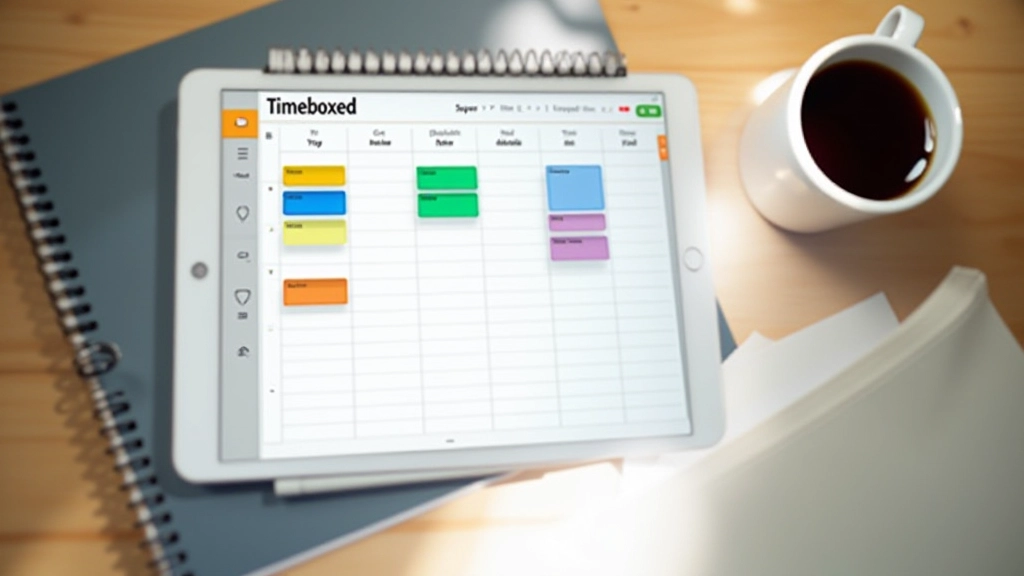
Color-coded calendar showing strategic break scheduling across multiple projects, time management planning

Structuring Your Breaks (Not All Breaks Are Equal)

A 5-minute break where you check your phone isn’t the same as a 5-minute break where you move. You’ve got to mix it up.

  • Micro breaks (5 minutes): Walk. Stretch. Grab water. Look away from the screen. These reset your eyes and get blood flowing.
  • Movement breaks (10 minutes): Every 90 minutes, take a proper 10-minute break. Go for a walk. Do some pushups. Anything that gets your heart rate up slightly. This floods your brain with oxygen.
  • Longer breaks (20-30 minutes): After 3-4 hours of work blocks, take a real break. Lunch. Proper rest. Let your brain fully decompress before the next sprint.

The pattern that works for most freelancers is simple: 25 minutes focused work, 5 minutes break, repeat 3 times, then take a 15-minute longer break. That’s 2 hours of actual output with built-in recovery. You can do 2-3 of these cycles in a morning and still have afternoon energy.

What Actually Happens During a Break

Your brain isn’t shutting off during breaks. It’s consolidating. When you stop actively working on a problem, your subconscious keeps processing. You’ll have that “aha” moment about a client email while you’re stretching. You’ll suddenly know how to structure that proposal. This isn’t distraction. It’s your brain doing maintenance work.

That’s why your best ideas often come in the shower or on a walk — not at your desk grinding away. Breaks aren’t lost productivity. They’re when the real work gets solved.

The real win: After 4 weeks of proper break scheduling, most freelancers report getting the same output in 6 hours that used to take them 10. You’re not working harder. You’re working smarter because you’re actually rested.

Freelancer walking outside during break, getting fresh air and natural light for mental restoration
Desk setup with water bottle, notebook, and clock showing break time management, organized workspace

Making Breaks Actually Happen (The Real Challenge)

Knowing you should take breaks is different from actually taking them. Most freelancers don’t struggle with the concept — they struggle with execution. You get in flow state and suddenly an hour’s passed. Your client emails keep piling up. The pressure feels real.

Here’s what works: set a timer. When it goes off, you stop. Not when you “finish this thought.” Not when you “complete this section.” When the timer goes off, you stand up and walk away. Even 60 seconds away from your desk is better than nothing.

After about 2 weeks of forcing this habit, something shifts. Your body starts craving the break. You’ll find yourself looking forward to that 5-minute walk because you know you’ll come back clearer. It becomes automatic instead of forced.

The clients aren’t going anywhere. The work will be there in 5 minutes. But you’ll be sharper. You’ll make better decisions. You’ll spot errors faster. And you’ll finish your actual work sooner.

The Bottom Line

Your break schedule isn’t luxury. It’s infrastructure. It’s the difference between a freelancer who ships quality work consistently and one who burns out every few months.

Start simple: 25 minutes work, 5 minutes break. Stick with that for one week. You’ll notice the difference in output by day 3. By day 7, you’ll wonder how you ever worked without it.

Breaks aren’t time off. They’re what makes time on actually count.

Ready to Master Your Work Schedule?

Explore more strategies for structured time management and productivity optimization.

Explore Pomodoro & Timeboxing Resources

Educational Disclaimer

This article provides educational information about productivity techniques and time management strategies. Individual results may vary based on personal work style, industry, and specific circumstances. The Pomodoro Technique and timeboxing methods described here are general guidelines — you may need to adjust intervals and break lengths based on your own focus patterns and project requirements. This content is intended for informational purposes and doesn’t replace personalized advice from productivity coaches or workplace consultants who understand your specific situation.